 mcdesignhouse
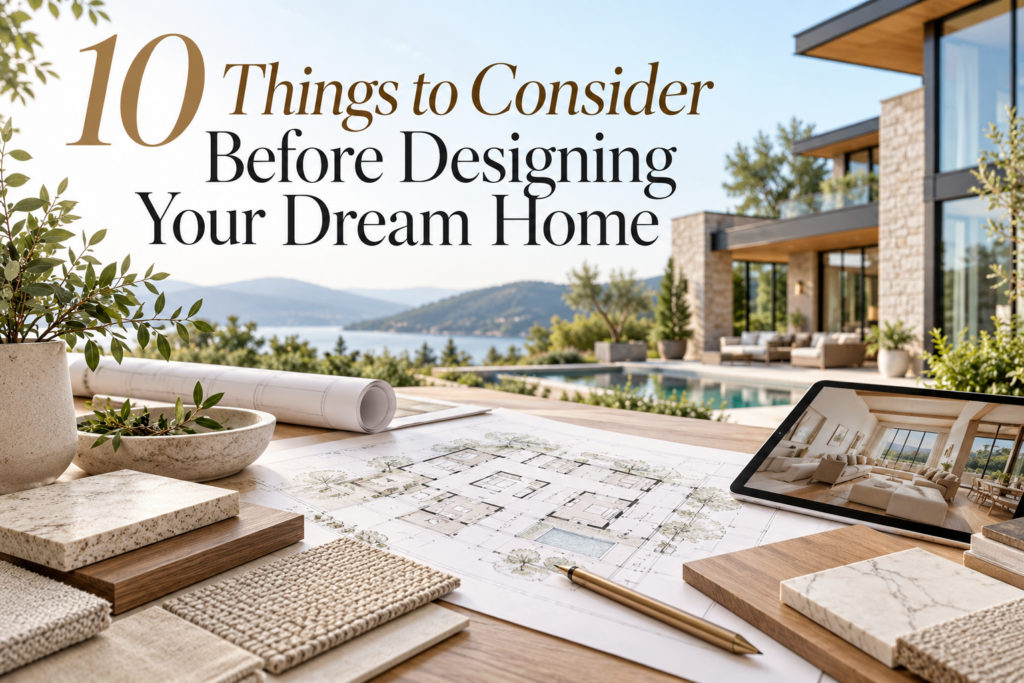
Designing your dream home is an exciting opportunity to create a living space that reflects your personality, accommodates your lifestyle, and meets your family’s unique needs.
Unlike purchasing an existing property, building a custom home allows you to make decisions about everything from the floor plan and architectural style to the smallest functional details.
However, successful custom home design requires more than choosing attractive finishes and deciding how many bedrooms you want. It takes careful planning, realistic expectations, and an understanding of how your home will function both today and in the future.
Whether you’re planning to build in Idaho or elsewhere, here are ten important considerations to help you make informed decisions before beginning your custom home design.
1. Establish a Realistic Budget
Before exploring floor plans or architectural styles, determine how much you’re comfortable investing in your project.
Your budget influences nearly every design decision, including square footage, architectural complexity, materials, and specialty features.
Remember that your total project budget extends beyond construction costs. Additional expenses may include:
- Land acquisition and site preparation
- Residential design and engineering
- Building permits and development fees
- Utility connections
- Landscaping and exterior improvements
- Unexpected expenses and contingencies
Establishing a realistic budget early allows your residential designer to develop solutions that align with your financial goals.
A thoughtfully designed home isn’t necessarily the largest home you can afford. It’s the home that makes the best use of your investment.
2. Understand Your Property
Your property is one of the most influential factors in determining what you can build.
Lot dimensions, topography, zoning regulations, setbacks, and utility availability can all affect your home’s layout and overall design.
For example, a narrow subdivision lot may require a more compact footprint, while a larger acreage property may offer greater flexibility for detached garages, workshops, and outdoor living areas.
Before designing, consider:
- Property boundaries and building setbacks
- Slopes, drainage, and elevation changes
- Existing easements and utility access
- Driveway placement and accessibility
- Views, sunlight, and natural features
In Idaho, property conditions can vary considerably between Treasure Valley subdivisions, rural acreage properties, and mountain communities.
Understanding your property before designing can prevent expensive revisions and help ensure your home complements its surroundings.
3. Consider Your Daily Lifestyle
A beautiful house doesn’t automatically make a functional home.
One of the most important considerations is understanding how you and your family actually use your living space.
Think about your daily routines.
Do you frequently entertain guests? Do family members work from home? Would an open-concept layout support your lifestyle, or would separate living spaces provide greater privacy?
Evaluate your current home and identify what works well and what doesn’t.
Perhaps your kitchen needs more counter space, your laundry room is inconveniently located, or your family could benefit from a dedicated home office.
These observations provide valuable insight into how your future home should function.
The best floor plans are designed around the people who live in them, not simply current design trends.
4. Plan for the Future
Your dream home should accommodate both your current lifestyle and your future needs.
Consider how your household may change over the next ten to twenty years.
Growing families may require additional bedrooms, while homeowners approaching retirement may prioritize accessibility and main-floor living.
Features worth considering include:
- Main-floor primary bedrooms
- Flexible rooms that can serve multiple purposes
- Wider hallways and doorways
- Multigenerational living arrangements
- Additional storage and adaptable spaces
You don’t necessarily need to incorporate every feature immediately.
However, anticipating future needs during the initial design process can make your home easier and less expensive to modify later.
5. Prioritize Functionality Over Square Footage
It’s easy to assume that a larger home will automatically be more comfortable.
In reality, thoughtful space planning often matters more than total square footage.
Excessive hallways, oversized rooms, and inefficient layouts can increase construction costs without improving everyday living.
Consider how spaces connect.
For example, positioning a pantry near the kitchen and garage makes unloading groceries easier. Locating the laundry room near bedrooms can simplify household routines.
Thoughtful circulation, storage placement, and room proportions can make a smaller home feel more spacious and functional.
Rather than asking how large your home should be, ask how much space you genuinely need and how that space can serve you effectively.
6. Choose an Architectural Style
Your home’s architectural style establishes its exterior character and contributes to its overall appeal.
Popular styles include Craftsman, modern farmhouse, contemporary, traditional, and mountain-inspired architecture.
However, choosing a style involves more than selecting an attractive photograph.
Rooflines, window configurations, exterior materials, and structural details can influence construction costs and maintenance requirements.
Consider whether your preferred architectural style complements your property, supports your desired floor plan, and aligns with your budget.
It’s also worth thinking beyond current trends.
Choosing timeless materials, balanced proportions, and cohesive architectural features can help create a home you’ll appreciate for decades.
An experienced residential designer can help translate your preferences into an attractive, practical design.
7. Think About Natural Light and Orientation
The orientation of your home can dramatically influence its comfort, appearance, and energy efficiency.
Natural lighting should be considered during the earliest stages of design rather than after the floor plan is complete.
Large windows can create bright interiors and connect living spaces with outdoor views. However, poorly positioned windows may introduce excessive summer heat or unwanted glare.
Consider how sunlight moves across your property throughout the day.
Would you enjoy morning sunlight in your kitchen? Could a covered patio provide shade during summer afternoons? Are there mountain views or landscape features worth emphasizing?
In Idaho, where seasonal temperatures can vary significantly, thoughtful building orientation and window placement can contribute to year-round comfort.
8. Don’t Overlook Storage
Storage is one of the most frequently underestimated elements of residential design.
While kitchens, living rooms, and bedrooms receive considerable attention, practical storage solutions can make everyday life significantly easier.
Think beyond bedroom closets.
Consider incorporating:
- Walk-in pantries
- Mudrooms with built-in storage
- Linen and utility closets
- Garage storage areas
- Laundry room cabinets
- Seasonal storage spaces
Depending on your lifestyle, specialty rooms such as workshops, hobby rooms, or home offices may also be valuable.
The key is identifying which spaces will genuinely improve your daily routines rather than adding features simply because they’re popular.
Planning storage early helps integrate these spaces naturally into your home’s design.
9. Understand the Design Process
Designing a custom home involves several stages, each serving an important purpose.
While individual projects vary, the typical process includes:
Initial Consultation: Discussing your property, budget, lifestyle, and design goals.
Conceptual Design: Developing preliminary floor plans and exploring architectural ideas.
Design Development: Refining dimensions, layouts, exterior elevations, and functional features.
Construction Documentation: Preparing detailed drawings for construction and applicable permitting requirements.
Construction Coordination: Addressing design questions and coordinating with the builder and other professionals as needed.
Understanding these stages helps establish realistic expectations.
It’s also important to recognize that design changes generally become more expensive as a project progresses.
Moving a wall during preliminary design is considerably easier than making the same adjustment after construction begins.
Careful planning during the design phase can help minimize delays, unexpected expenses, and unnecessary revisions.
10. Assemble the Right Team
Building your dream home requires collaboration between experienced professionals.
Residential designers, builders, engineers, and other specialists each contribute important expertise throughout the project.
Choosing professionals who understand your goals and communicate effectively can significantly improve the experience.
Your residential designer should translate your ideas into a functional design while considering construction practicality.
Your builder should provide insight into construction methods, scheduling, and estimated costs.
Engineers and other specialists may address structural requirements, site conditions, and technical considerations.
When these professionals work together with a shared understanding of your vision and budget, the entire process becomes more manageable.
Successful collaboration begins long before construction starts.
Bringing Your Dream Home to Life
Designing a custom home is an opportunity to create something truly personal.
By establishing a realistic budget, understanding your property, prioritizing functionality, and working with experienced professionals, you can develop a home that supports your lifestyle for years to come.
Remember, your dream home doesn’t need to be the largest or most elaborate house in the neighborhood.
It needs to be the right home for you.
At MC Design House, we believe successful residential design starts with understanding our clients’ visions and developing thoughtful solutions that balance aesthetics, functionality, and practicality.
Whether you’re starting with inspiration photos, an existing floor plan, or simply an idea, we’re here to help turn your vision into reality.
Ready to Start Designing Your Dream Home?
Visit MC Design House to explore our residential design services and take the first step toward creating a home designed specifically for you.